We Build Plastic Feedstock Supply Where Conventional Procurement Fails
GPT Circular builds the collection, aggregation, preparation and logistics systems required to transform fragmented used plastics into reliable feedstock for global recycling projects.
We work within the political, commercial, community and village frameworks of the markets in which we operate—connecting local material supply with global demand.

Recycling Capacity Is Growing. Reliable Feedstock Supply Is Not.
Global investment in mechanical, advanced and circular recycling is increasing the demand for used plastic feedstock.
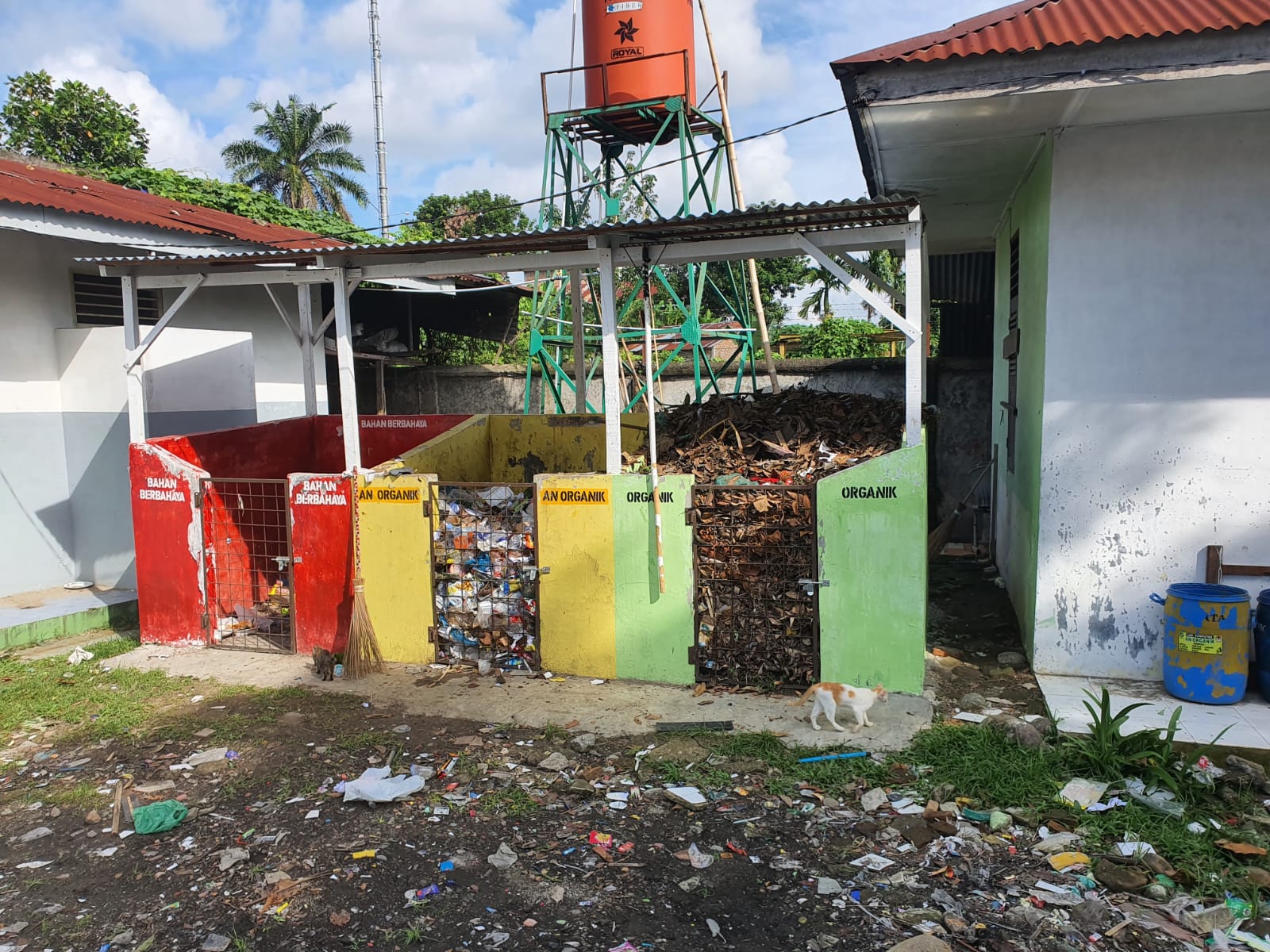
The problem is that much of the world’s recoverable plastic is not held by large, formal suppliers. It is dispersed across households, villages, informal collectors, waste banks, small aggregators, local processors, landfills and municipal systems.
Traditional procurement models assume material is already consolidated, documented and available under a formal contract.
In many emerging economies, that infrastructure does not yet exist.
GPT Circular creates it.

Recycling Capacity Is Growing. Reliable Feedstock Supply Is Not.
Global investment in mechanical, advanced and circular recycling is increasing the demand for used plastic feedstock.
The problem is that much of the world’s recoverable plastic is not held by large, formal suppliers. It is dispersed across households, villages, informal collectors, waste banks, small aggregators, local processors, landfills and municipal systems.
Traditional procurement models assume material is already consolidated, documented and available under a formal contract.
In many emerging economies, that infrastructure does not yet exist.
GPT Circular creates it.
We Turn Fragmented Plastic Flows Into Industrial Feedstock Supply
GPT Circular starts with a defined material requirement and builds the local system needed to fulfil it.
Our work combines commercial procurement, government engagement, community participation, collection infrastructure, processing, quality control and logistics.

We develop and manage supply programs for PE, PP and other agreed plastic feedstocks used in mechanical recycling, advanced recycling and circular manufacturing.
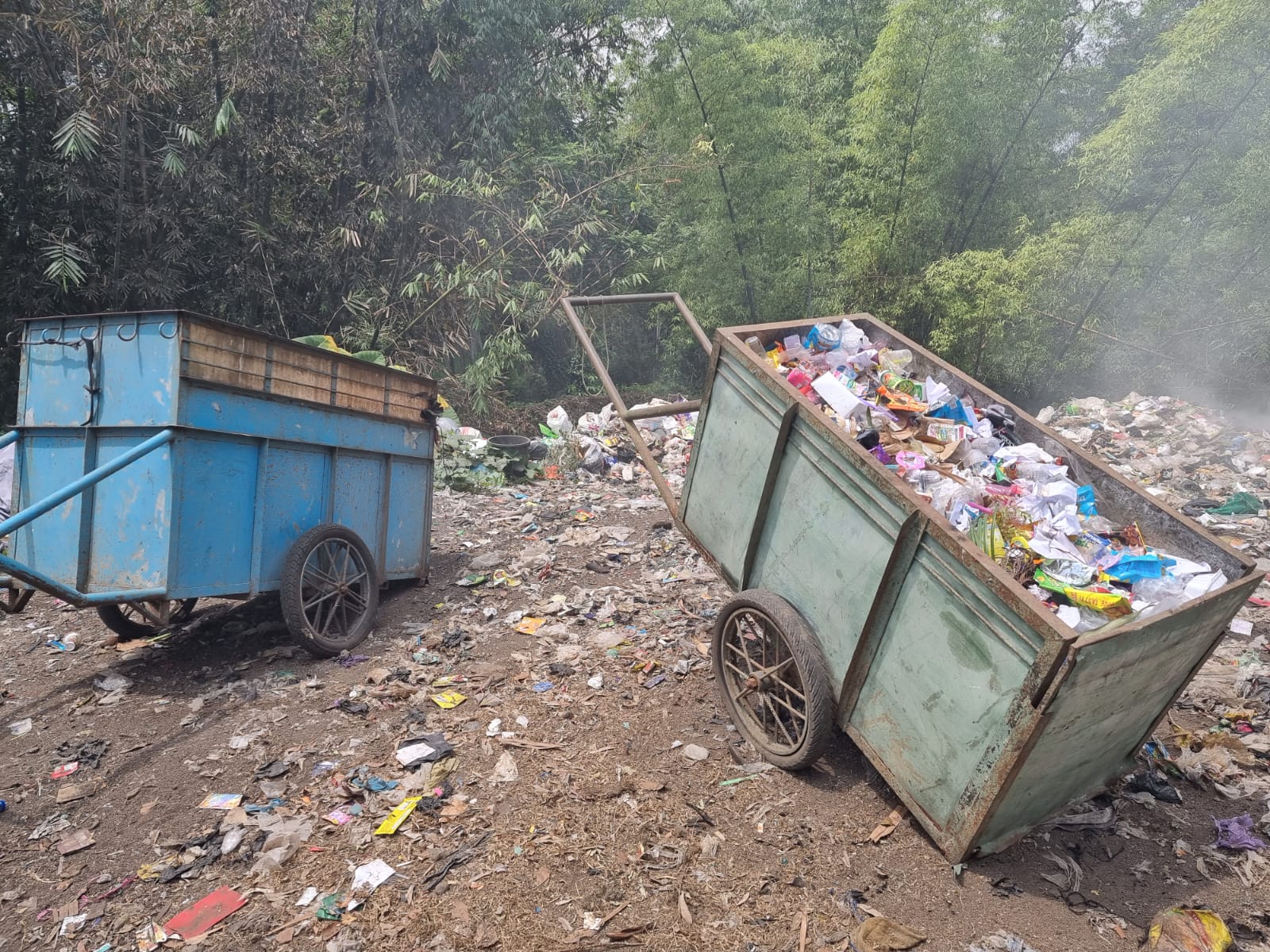
We create collection networks across villages, communities, municipalities, businesses, informal suppliers and existing waste-management systems.

Material is consolidated and prepared through sorting, baling, shredding, washing, drying, densification, agglomeration, granulation or other agreed processes.

We apply practical controls to material source, movement, weighing, processing, quality and shipment reconciliation.

We manage commercial contracting, containerisation, documentation, freight and delivery to domestic and international processors.
We develop and manage supply programs for PE, PP and other agreed plastic feedstocks used in mechanical recycling, advanced recycling and circular manufacturing.

We create collection networks across villages, communities, municipalities, businesses, informal suppliers and existing waste-management systems.

Material is consolidated and prepared through sorting, baling, shredding, washing, drying, densification, agglomeration, granulation or other agreed processes.

We apply practical controls to material source, movement, weighing, processing, quality and shipment reconciliation.

We manage commercial contracting, containerisation, documentation, freight and delivery to domestic and international processors.


Feedstock Is Not Found. It Is Built.


Emerging Markets Require a Different Procurement Model
Used plastic procurement in an emerging economy is not simply a matter of issuing a tender and selecting a supplier.
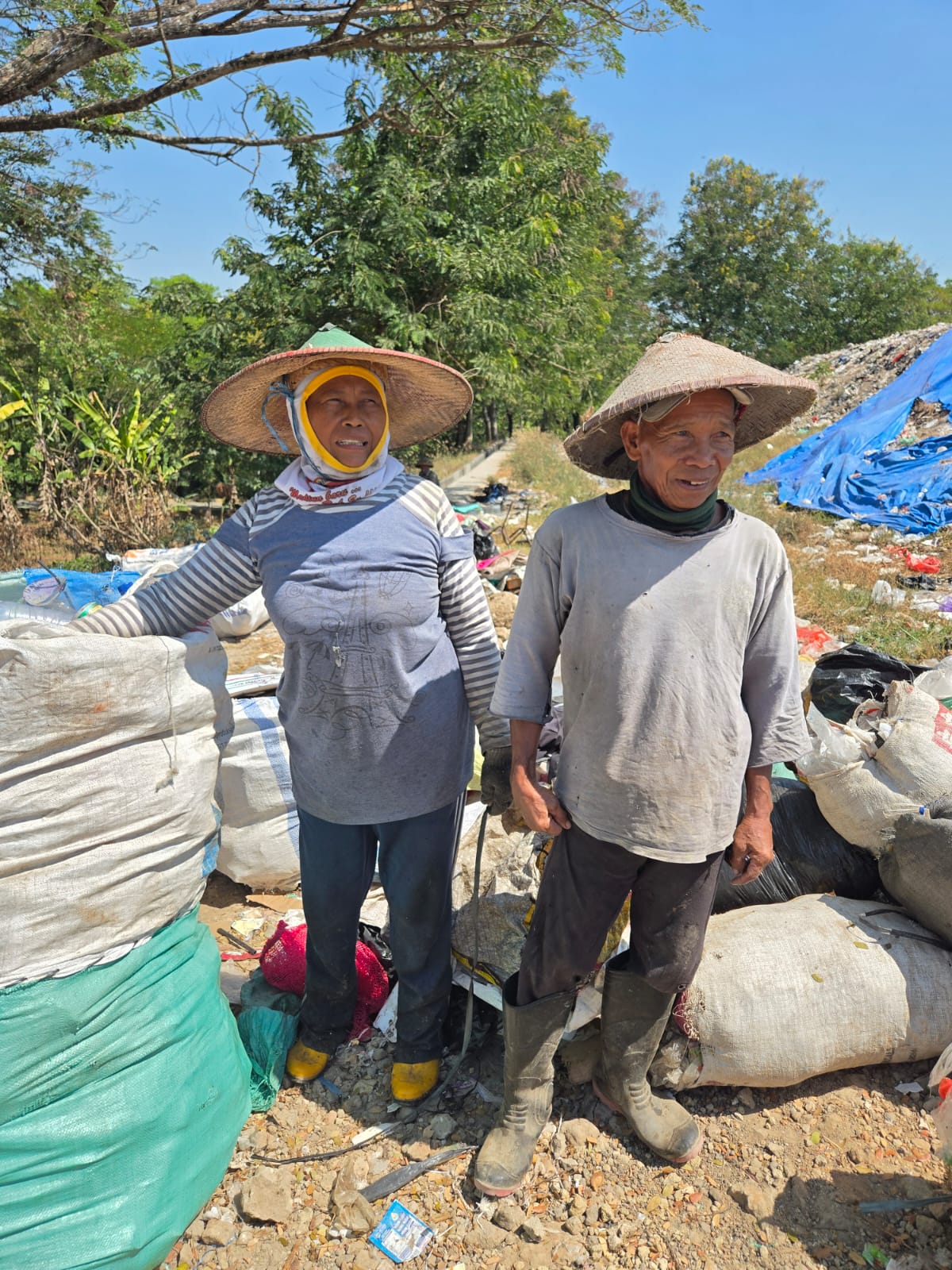
Material access may be influenced by village governments, municipalities, community organisations, informal collectors, waste banks, incumbent traders, processors and local commercial relationships.
Volumes are fragmented. Quality varies. Formal documentation may be limited. Existing participants may depend on the material for their livelihoods.
GPT Circular does not impose a foreign procurement model and expect the local market to adapt to it.
We build commercially disciplined systems around the way each market actually operates, while progressively strengthening quality, safety, traceability, environmental and governance controls.
Good systems must work in practice before they can be improved towards perfection.
Local Execution. Global Market Access.
We build supply against real customer requirements rather than collecting material without a viable destination.

Our systems are designed to create value for collectors, communities, processors and customers.

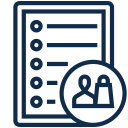
We operate within the political, social and commercial structures that determine whether collection succeeds.

Feedstock is developed against the receiving processor’s technical requirements.

We combine many small material sources into supply capable of serving industrial projects.

We strengthen traceability, HSE, documentation and governance as the network and volume mature.
Feedstock Developed for Real Processing Requirements
Feedstock specifications vary by polymer, source and receiving technology. GPT Circular develops supply programs against agreed customer requirements.
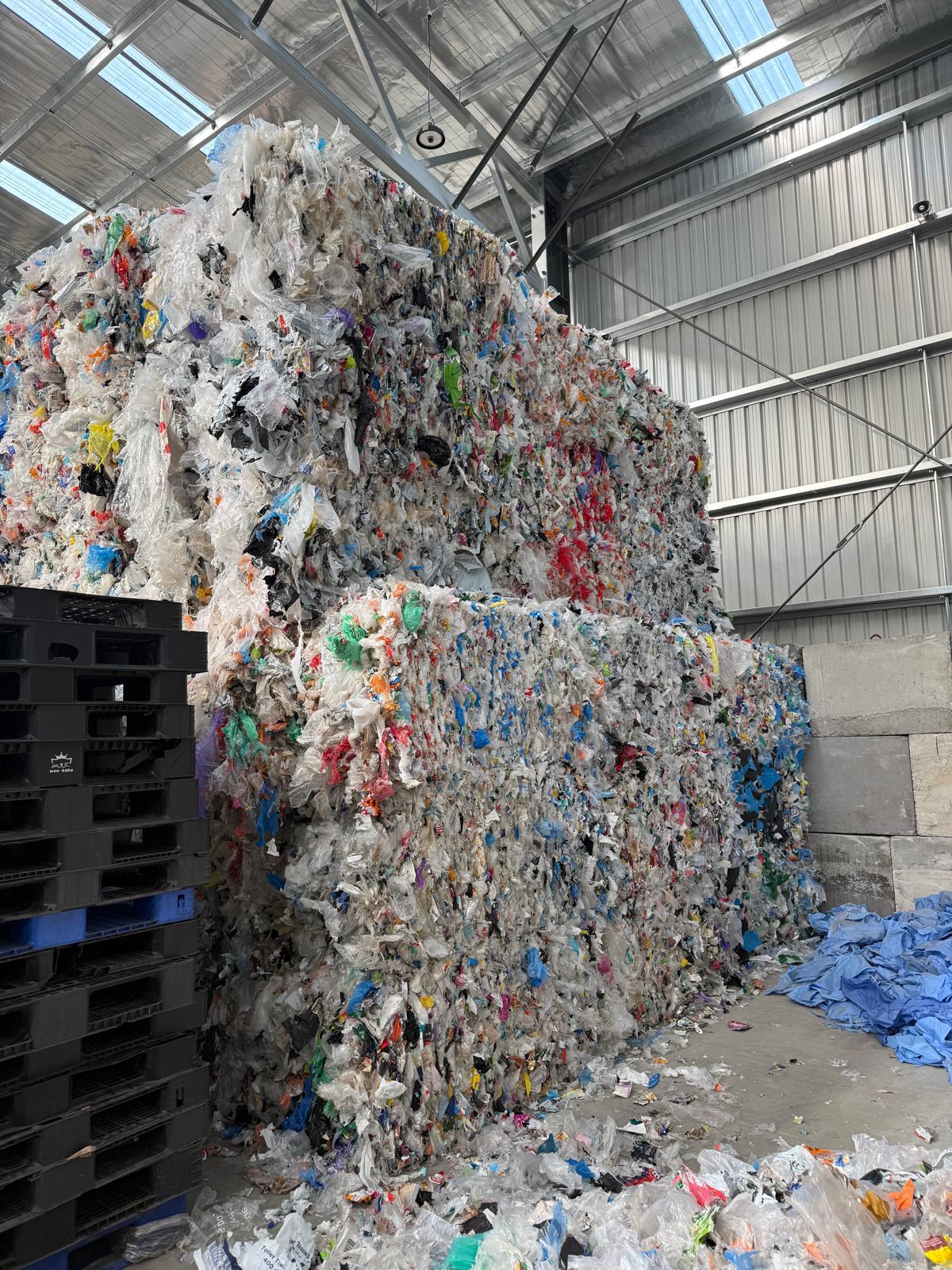
LDPE and LLDPE film feedstock available in agreed forms, including baled, shredded, washed, dried, densified, agglomerated or pelletised material.
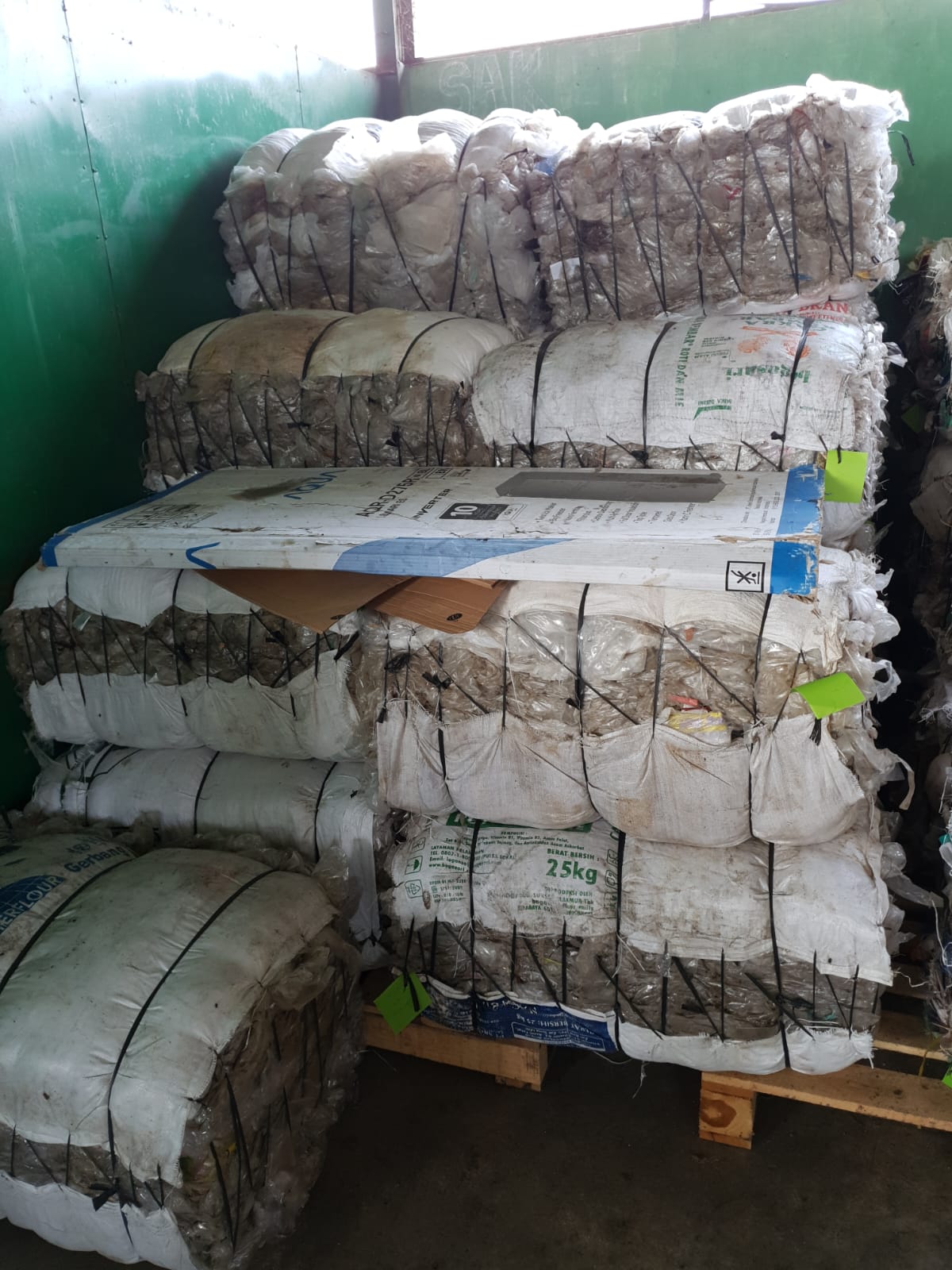
Prepared PE and PP feedstock for qualified advanced recycling and other approved processing technologies.

Sorted and prepared rigid plastic feedstock for mechanical recycling and other agreed applications.
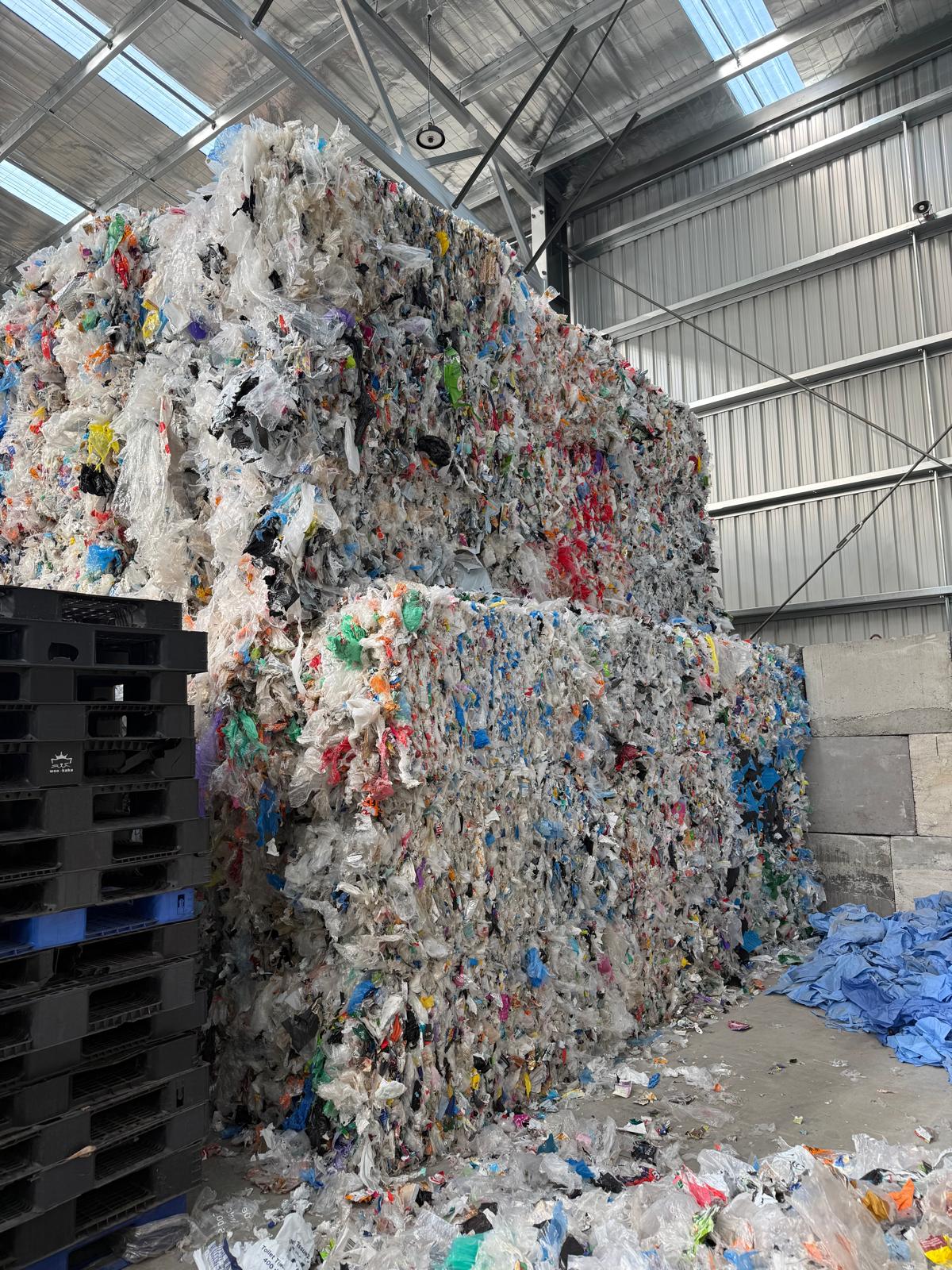
Collection and processing programs designed around a customer’s required polymer, geography, volume and technical specification.
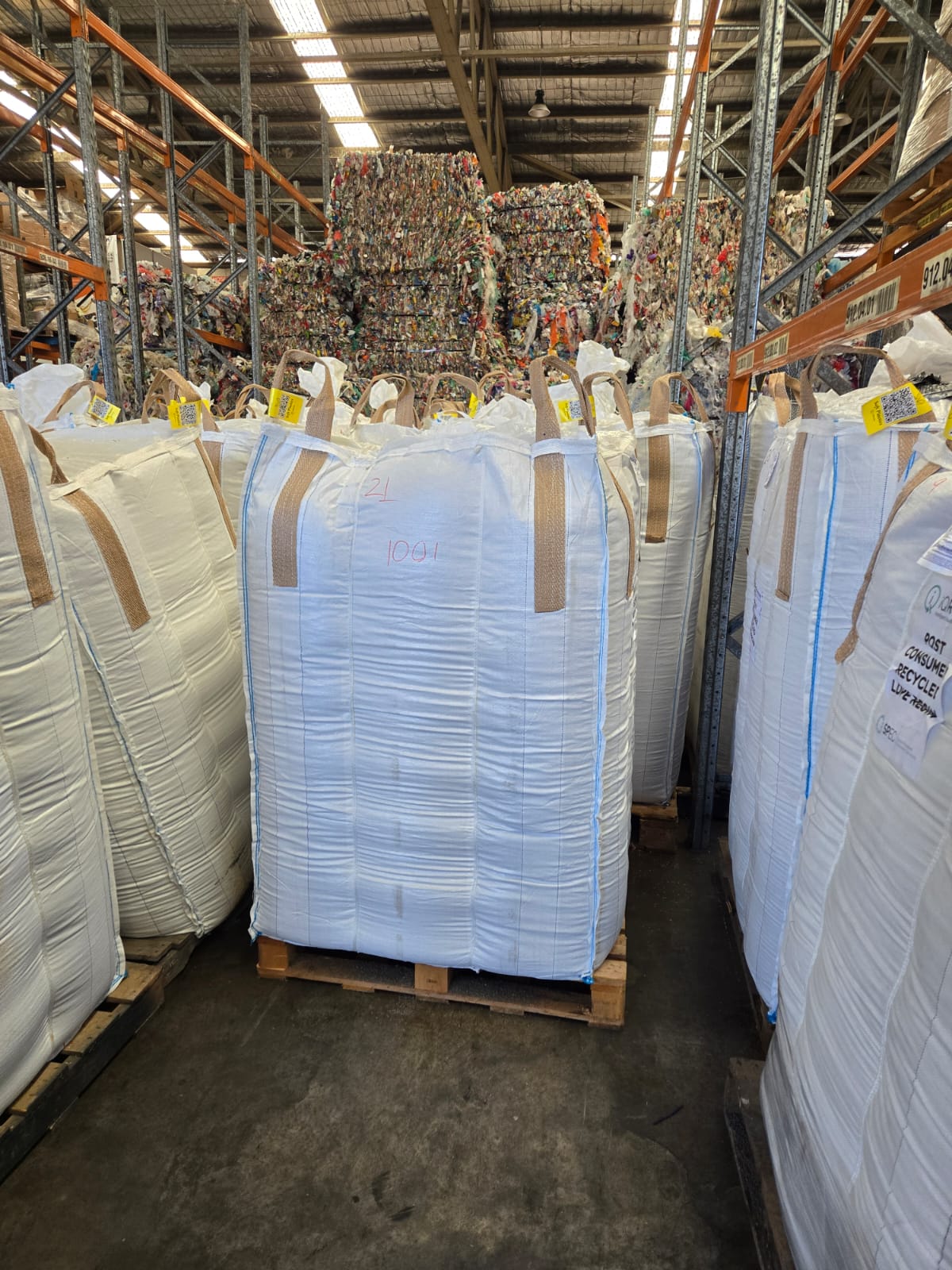
Final suitability and acceptance remain subject to sampling, testing, validation and the receiving facility’s technical requirements.
Built on Delivery, Not Theory
GPT Circular combines practical operating experience in Australia and Indonesia with relationships across the global plastics, recycling and manufacturing industries.

Tonnes collected, managed or supplied

Operating and project regions

Annual contracted or planned feedstock capacity


Built on Delivery, Not Theory
GPT Circular combines practical operating experience in Australia and Indonesia with relationships across the global plastics, recycling and manufacturing industries.
Tonnes collected, managed or supplied
Operating and project regions
Annual contracted or planned feedstock capacity
Our experience includes post-consumer soft-plastic recovery, international feedstock trading, community collection development, government engagement, aggregation, pre-processing and supply-chain development for mechanical and advanced recycling.
Our Mission
Our mission is to build the world’s largest supply network for used plastic feedstock from emerging economies.
We exist to solve the feedstock problem by creating commercially viable collection, aggregation and processing systems in places where conventional procurement cannot deliver the volumes, consistency or integrity required by global recycling projects.



© 2026 PT GPT Circular Solutions & Global Plastic Trading Pty Ltd. All rights reserved.