Finan
Press Release 1st May 2026

Toby Manners
May 15, 2026
3 min read
GPT Circular Proposes Madiun Regency as Pilot Region for Village-Level Soft Plastics Collection Program
Turning previously uncollected soft plastics into commercial value, community income and measurable environmental benefit through existing local infrastructure
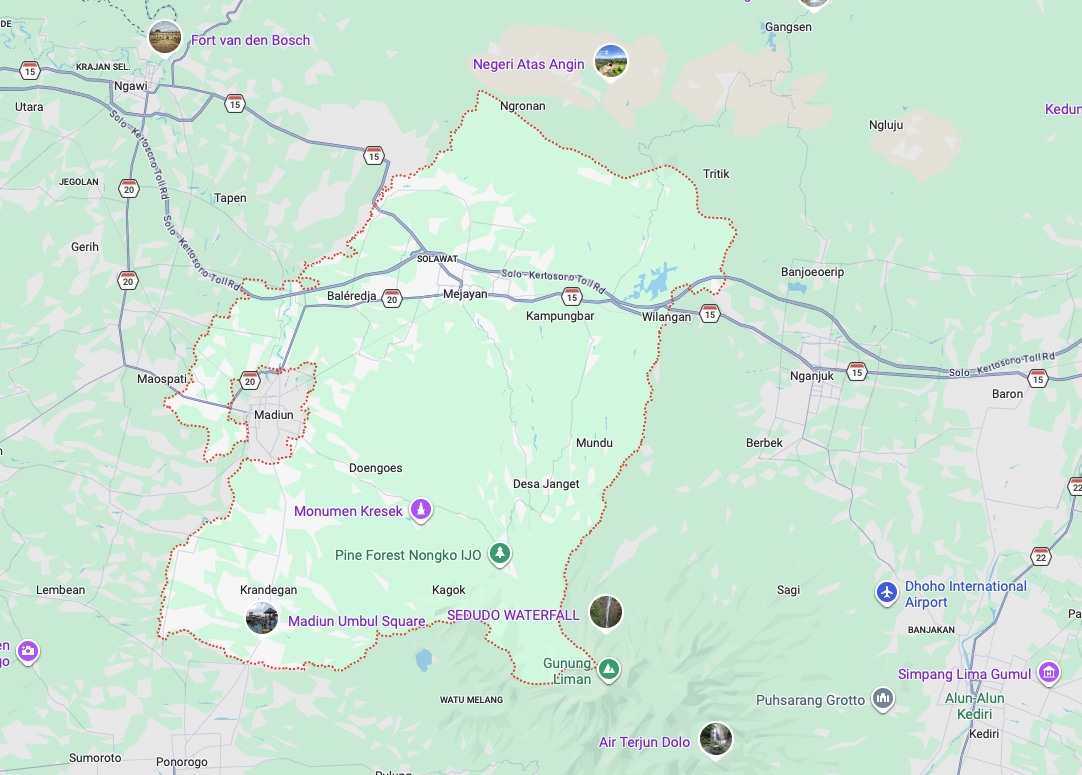
Madiun Regency, East Java — GPT Circular is progressing plans to establish a pilot soft plastics collection program in Madiun Regency, designed to create a practical, scalable and commercially grounded solution for one of Indonesia’s most persistent waste challenges: low-value flexible plastic packaging.
The program is based on a simple principle: soft plastics will be collected at scale when they have reliable value, clear specifications and committed downstream markets.
GPT Circular proposes to valorise soft plastics by supporting a village-level collection model for qualifying material, with an agreed purchase price, subject to agreed quality standards. The program is being designed around confirmed and developing downstream demand from national and international partners, including manufacturers, recyclers, petrochemical companies and brand owners seeking traceable recovered plastic feedstock.
GPT Circular’s intention is not to reinvent the wheel. The pilot is designed to strengthen and utilise Madiun Regency’s existing waste-management infrastructure, including TPS3R facilities, TPST facilities, bank sampah networks, village administrations, local collectors, community organisations and existing government waste programs.
The objective is to build on what already exists, create value where there is currently little or none, and connect previously uncollected soft plastics to reliable end markets.
“Soft plastics will not be collected at scale unless they have real value, clear specifications and committed downstream demand,” said Toby Manners, CEO of GPT Circular. “This pilot is about connecting village-level collection directly to commercial end markets, using the infrastructure that already exists in Madiun. It is not a subsidy-led clean-up program — it is the beginning of a practical collection economy for plastics that have previously been left behind.”
Why Madiun Regency?
Madiun Regency is an ideal pilot location because it is manageable in scale, logistically accessible within East Java, and has existing village and waste-management structures that can support a practical collection model.
The pilot also carries personal significance for GPT Circular. The company’s Indonesian director, Sri Mujiatun, is from Madiun Regency. GPT Circular would be proud to begin this program in her home region, in recognition of her loyalty and long-standing commitment to the company’s work in Indonesia.
A demand-led model
The success of any soft plastics collection system depends on downstream commitment.
Soft plastics are not like PET bottles. PET is widely collected in Indonesia because it already has value, strong demand and established collection pathways. Soft plastics are more difficult. They are bulky, low density, harder to aggregate, more vulnerable to contamination and historically more difficult to sell into reliable end markets.
GPT Circular’s model addresses this problem by working backwards from demand.
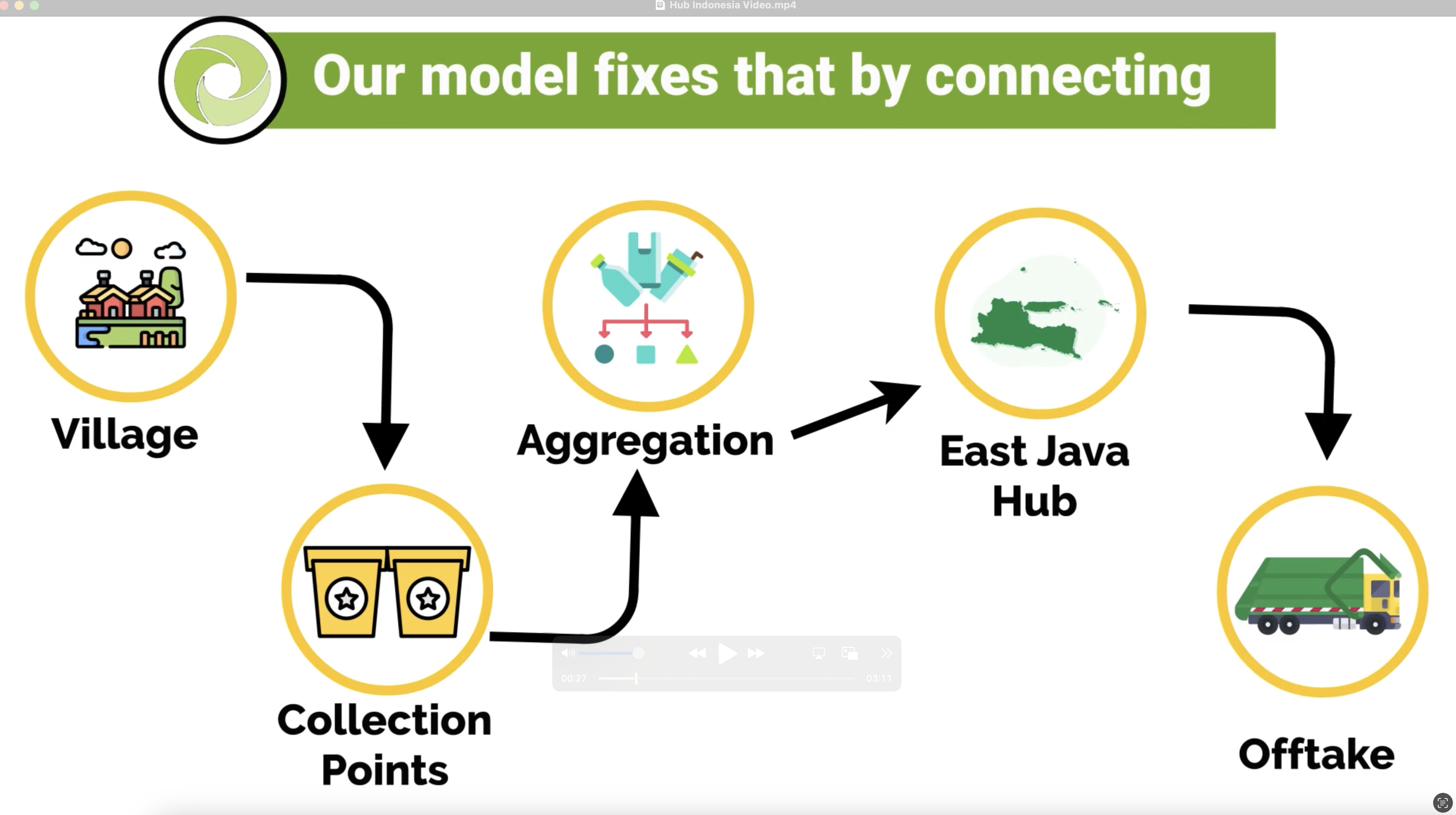
The program is being designed around:
- Large-scale offtake commitments;
- Clear material specifications;
- Village-level collection incentives;
- Use of existing TPS3R, TPST, bank sampah and local collector infrastructure;
- Traceability from village collection through to downstream use;
- Aggregation and quality control before dispatch; and
- Commercial pathways into mechanical recycling, advanced recycling, petrochemical and manufacturing supply chains.
This is critical. Collection systems only survive when the material has a buyer.
Existing partnerships and further opportunities
GPT Circular is already progressing engagement with a number of downstream partners, including large-scale offtakers, manufacturers, recyclers, petrochemical companies, brand owners and development stakeholders interested in practical circular economy outcomes in Indonesia.
While several key partnership pathways are already being developed, opportunities remain for additional organisations to participate in the establishment and expansion of the program.
These opportunities include:
- Securing large-scale offtake for qualifying soft plastics;
- Providing program set-up funding for village engagement, TPS3R and bank sampah mobilisation, sorting systems, traceability, aggregation and logistics;
- Defining technical specifications required by downstream processors;
- Supporting traceable plastic recovery outcomes in Indonesia ahead of any future EPR requirements; and
- Participating in a scalable model that can grow from Madiun Regency to East Java, Java and Indonesia nationally.
For global companies, the program offers a practical opportunity to demonstrate direct and measurable action now. By supporting collection, sorting, traceability and verified offtake, participating companies can help build the real-world infrastructure that EPR systems are ultimately intended to create.
Rather than waiting for formal EPR systems to mature, companies can support an implementation-ready model that delivers both commercial and environmental outcomes, by way of: collection, recovery, traceability, verified offtake and measurable environmental impact.
GPT Circular believes this market-led approach can complement any proposed or future regulatory frameworks while delivering immediate outcomes for communities, government and industry.
A practical program using existing infrastructure
The proposed pilot will involve the Regency Government, DLH, district leaders, village leaders, TPS3R operators, bank sampah, PKK, Bumdes, Karang Taruna, schools, pesantren, local collectors and other community organisations.
Rather than creating a new parallel system, GPT Circular proposes to use the infrastructure already present in the regency, including:
- Existing TPS3R and TPST facilities;
- Bank sampah networks;
- Village collection points;
- Existing waste collectors and aggregators;
- Community organisations such as PKK and Karang Taruna; and
- Local government coordination through the Bupati, DLH, camat and village leaders.
The objective is not to create a small, isolated waste collection trial. The objective is to create a regency-wide collection and economic participation model that gives villages a direct financial incentive to recover soft plastics before they reach rivers, drains, open burning sites, landfill or the wider environment.
Making difficult plastics worth collecting
Indonesia already has a successful example of value-driven informal and semi-formal collection: PET bottles.
PET is widely collected because it has value. Communities, waste banks, collectors and aggregators recover PET because there is a functioning market for it.
Soft plastics are different. Plastic film, bags, sacks and flexible packaging are often bulky, low density, hard to aggregate and historically difficult to sell into reliable end markets.
GPT Circular’s model changes that.
By creating a clear village-level price and linking collected soft plastics to guaranteed buyers, GPT Circular intends to make soft plastics worth collecting in the same way PET is worth collecting.
Supported by real end markets
The proposed Madiun pilot is not designed around subsidy. It is designed around end-market demand.
Collected material would be aggregated, sorted and prepared for use by national and international offtakers, including:
- Manufacturers seeking recycled plastic feedstock;
- Mechanical recyclers;
- Advanced recycling and petrochemical companies;
- Packaging and consumer goods supply chains seeking traceable recycled content; and
- Future Indonesian processing infrastructure.
This offtake-led model is the core of the program. It ensures that collection activity is connected to real demand rather than temporary grants, isolated clean-ups or short-term campaigns.
Proposed first steps
GPT Circular proposes a structured engagement process with the Madiun Regency Government and local stakeholders.
The first steps include:
- Ongoing meetings with the Bupati, DLH and relevant Regency Government agencies;
- Mapping existing TPS3R, TPST, bank sampah and village collection infrastructure;
- Selecting initial pilot districts and villages;
- Agreeing material specifications and contamination rules;
- Establishing village-level collection points;
- Training TPS3R, bank sampah and community operators;
- Commencing trial collection and payment for qualifying soft plastics;
- Aggregating and preparing material for offtake;
- Reporting results to the Regency Government and community stakeholders; and
- Expanding the program based on performance, quality and demand.
From pilot to scale
While the initial focus will be in Madiun Regency. the program would then scale in line with confirmed offtake demand, operational results, community participation and government support.
The long-term ambition is to develop a self-sustaining collection and end-market system for soft plastics across:
- Madiun Regency;
- East Java;
- Java as a whole; and
- Indonesia nationally.
The final goal is clear: to create a system where soft plastics are no longer treated as waste, but as a recoverable commodity with value to communities, villages, industry and government.
Invitation to participate
GPT Circular is seeking further engagement with large-scale offtakers, manufacturers, petrochemical companies, recyclers, brand owners, development partners and funding organisations that are prepared to support a practical, demand-led solution for previously uncollected soft plastics in Indonesia.
The system requires downstream commitment to succeed. Village-level collection can only operate at scale when there is reliable demand for the material, agreed quality specifications, and set-up funding to support collection, sorting, aggregation, traceability and logistics.
Madiun Regency has the opportunity to become the first region to demonstrate a new model for soft plastics recovery — one that is locally led, commercially grounded, built on existing infrastructure and capable of national replication.
This is not a clean-up program, it is a new collection economy for difficult plastics.
About GPT Circular
GPT Circular develops practical circular economy systems for hard-to-recover plastics, with a focus on Indonesia and regional supply chains. The company works across collection, aggregation, feedstock preparation, offtake development and recycling pathways for mechanical and advanced recycling.
GPT Circular’s model is built around one core principle: plastic waste will be collected at scale when it has value, quality standards, traceability and a reliable end market.
Contact
For further information, partnership discussions or offtake enquiries, please contact:
Toby Manners
CEO
Email: toby.manners@globalplastictrading.com
Phone/WhatsApp: +61 489 038 814/ +62 812 4630 7140
For Indonesia program coordination:
Sri Mujiatun
Director
Email: sri.mujiatun@globalplastictrading.com
Phone/WhatsApp: +62 813 3957 2848